Wildfire & the Mega-Fire Generation
By Del Albright — Retired Fire Chief, Land-Use Advocate, and Public-Lands Steward
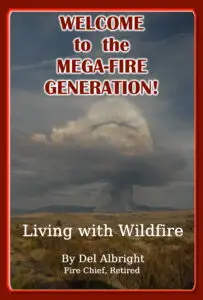
Twenty-five to thirty years ago, a 10,000–15,000-acre wildfire was considered a major event. Today, we routinely see 100,000–400,000-acre mega-fires — fires so intense they create their own weather systems, destroy entire watersheds, and leave communities forever changed.
A lot has changed in our world, but one truth hasn’t:
If we don’t prevent wildfires, we will face them — and today’s intensity far outpaces our ability to stop them.
This page gives you solid, experience-based starting points for understanding how we got here and how you can help turn the tide. I’ll also link below to my internal wildfire articles for deeper dives.
HOW WE GOT HERE — AND WHY FIRES ARE BIGGER
1. Controlled Burns — “Good Fire” by Any Name
Long before modern agencies existed, Native Americans used intentional fire to manage the landscape, clear brush, regenerate plants, and keep catastrophic fires in check. Later, early ranchers and homesteaders did the same — burning brush fields to maintain grazing lands and wildlife habitat.
By the mid-1900s, this became Prescribed Fire, a proven tool to thin understory fuels, reduce chaparral, and prevent the runaway firestorms we see today.
Then the brakes got slammed on.
Regulatory hurdles, litigation, liability fears, and public misunderstanding slowly pushed prescribed fire to the sidelines. Only recently has the term “Good Fire” brought renewed appreciation for how essential controlled burning really is.
Bottom line:
Good Fire works. It always has. Without it, fuels build up and the big boomers come back with a vengeance.
2. Roads & Fire Breaks — Access Saves Lives and Landscapes
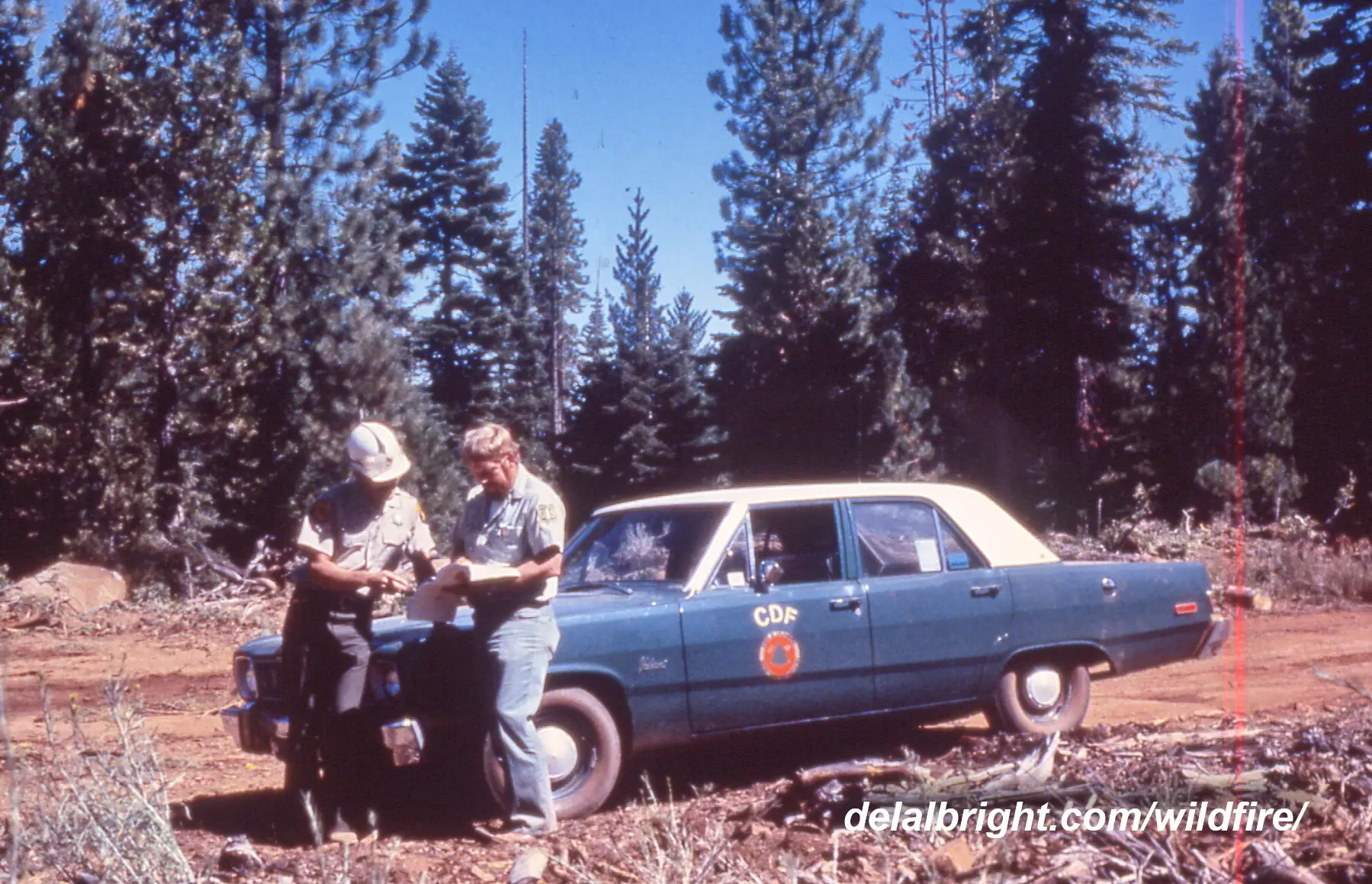
When I started in the fire service in the 1970s, maintaining fire roads, dozer lines, and community fire breaks was standard operating procedure.
We kept remote access routes:
cleared
drivable by heavy equipment
open for rapid initial attack
available for safe backfiring operations
Today? Not so much.
Ongoing closures, lack of maintenance, litigation, and political pressure have made it harder to access early-stage fires — and harder to control them once they blow up. The art of backfiring, once a critical tool, is now buried under layers of liability concerns and media scrutiny.
Fires don’t wait for permits.
Access matters. Roads matter. Fire breaks matter.
3. Logging & Timber Management — A System Left to Fail
If you’ve lived in the Pacific Northwest or Northern California long enough, you remember sawmills humming, log trucks rolling, and well-managed timber cycles.
Today, most mills are gone.
Why?
Because layers of restrictive regulations and lawsuits have made sustainable logging nearly impossible — and the consequences are visible everywhere:
Millions of acres of bug-killed timber
Overcrowded, stressed forests
No meaningful thinning
Fuel loads at historic highs
We once used inmate crews, seasonal firefighters, machinery, and even targeted pesticides to keep forests healthy and resilient. Now, in many regions, forest management is more of a press release than a practice.
Meanwhile, in the desert West, an unchecked cheatgrass-fire cycle is transforming wildlife habitat and feeding larger, faster-burning fires every year.
This isn’t about blaming the land managers.
It’s the politics and regulations forced upon them.
WHAT IT ALL MEANS
When science and field experience are replaced by politics, the land suffers — and so do the people who live, work, recreate, and volunteer on that land.
Seeing half-million-acre fires in California should alarm every single American. These aren’t “natural cycles.” They’re the direct result of policy failures, hands-off management, and the removal of every tool that once kept our landscapes healthy.
WHAT YOU CAN DO — BE PART OF THE SOLUTION
You don’t need to be a firefighter to make an impact. Here’s where you can start:
✅ Support sound, science-based land management
Back candidates and policies that support proactive forest, brushland, and desert management — including thinning, logging, grazing, Good Fire, and access.
✅ Stand up against radical over-regulation
Use your voice. Write letters. Comment on proposals. Vote.
Support organizations that fight for balanced stewardship and public access.
✅ Work with your local land-use agencies
Many agencies welcome partnerships — volunteers, trail adopters, fire-safe councils, and local groups willing to help maintain defensible space and sustainable trail systems.
✅ Help stop preventable fires
Share wildfire-prevention messaging. Practice fire-safe camping and overlanding. Teach others what you know. Every spark matters.
✅ Get involved — truly involved
Join groups that defend access and advocate for balanced public-land management.
Engage. Comment. Vote. Volunteer. Be in the game.
COMING NEXT
I’ll be linking to the following wildfire articles from across my site:
The Rise of the Mega-Fire
Why Good Fire Matters
Fuel Loading and Forest Health
Roads, Access & Initial Attack
The Politics Behind Fire Policy
Wildfire Impacts on Trails & Recreation
Wildfire Prevention for Overlanders
Stay tuned as I update this page with more resources.
ABOUT the Mega-Fire Generation (book by Del Albright)
TIPS for prevention wildfires (and being ready for them)
HOW to survive a mega fire in your back yard